Candy Bubble: A Retro Groovy Font for Modern Creative Projects
There’s a particular kind of joy that comes from design that doesn’t take itself too seriously. It’s the feeling of a perfectly crafted kids’ birthday invite, the instant recognition of a retro-themed poster, or the playful energy of a brand that knows how to have fun. This is the space where Candy Bubble lives. It’s not just a typeface; it’s a visual mood—a bold, bubbly, and unmistakably groovy design asset that injects pure, unadulterated cheer into any project it touches.
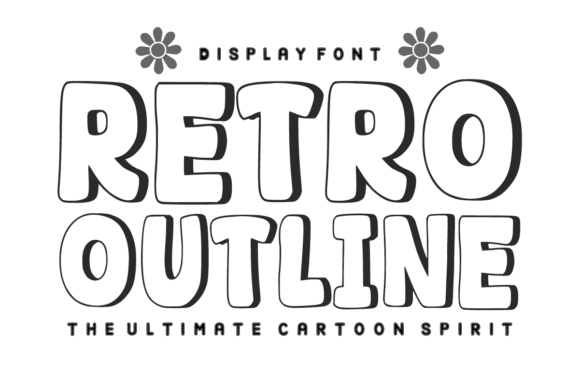
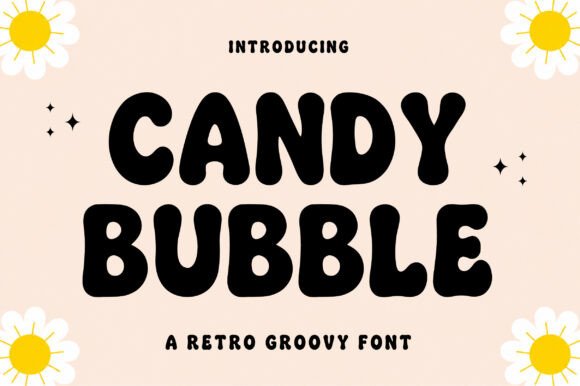
At its core, Candy Bubble is a premium font defined by its smooth, chunky letterforms and a distinctly vintage vibe. Imagine the rounded, inflated letters of classic 1970s signage or the whimsical titling from a beloved children’s book, all refined into a cohesive, modern display font. The characters have a substantial, almost tangible weight, giving them a presence that demands attention without shouting. The rounded terminals and generous curves create a friendly, approachable personality, making it an ideal creative font for projects aimed at evoking nostalgia, happiness, and a sense of playful discovery.
Where Candy Bubble Truly Shines: Practical Applications
Understanding a font’s strengths is key to using it effectively. Candy Bubble isn’t your workhorse body text; it’s a specialist, a headline-grabber, and a personality amplifier. Its strength lies in short, impactful bursts of text where its character can be fully appreciated.
Branding and Logo Design
For businesses targeting a family-friendly, fun, or retro-inspired audience, Candy Bubble can be a cornerstone of brand identity. Think of a children’s clothing boutique, a vintage candy shop, a quirky ice cream parlor, or a creative workshop studio. Using this typeface in your logo design immediately communicates a brand’s playful ethos. The key is to use it for the primary logotype or a key tagline, ensuring the surrounding brand elements—colors, imagery, and secondary fonts—complement its energetic style without competing.
Marketing and Social Media Graphics
In the fast-scrolling world of digital content, stopping power is everything. Candy Bubble excels as a headline font for social media graphics. It’s perfect for Instagram stories announcing a sale, YouTube thumbnails for a crafting channel, or Pinterest pins for a blog post about nostalgic recipes. Its bold, clean shape ensures readability even at smaller sizes on mobile screens, making it a reliable tool for grabbing attention in a crowded feed. Paired with a simple sans serif font for body text, it creates a dynamic and engaging visual hierarchy.
Packaging and Product Design
On a shelf or in an online store, packaging tells a story at a glance. Candy Bubble is a fantastic choice for packaging design for products like gourmet popcorn, artisanal sodas, toy packaging, or party supplies. The font’s chunky look translates beautifully to physical materials, maintaining its charm whether printed on cardboard, plastic, or used on a sticker. It helps products stand out by promising a fun, enjoyable experience before the customer even interacts with the product itself.
Crafting and Personal Projects
The appeal of Candy Bubble extends far beyond commercial use. For crafters, hobbyists, and DIY enthusiasts using tools like Cricut or Silhouette, this font is a goldmine. Its smooth outlines and bold construction are ideal for creating clean, professional-looking vinyl decals, iron-on transfers for t-shirts, custom stickers, and festive party decorations. It brings that same cheerful energy to personal projects, whether you’re designing a birthday banner for your child or creating personalized labels for homemade jam.
Working with Candy Bubble: A Designer’s Practical Guide
Choosing the right font is only half the battle; using it wisely is what separates good design from great design. Here’s how to integrate Candy Bubble effectively into your workflow.
Evaluating Project Fit and Readability
First, assess the tone of your project. Candy Bubble is a display font with a strong personality. It’s perfect for contexts where fun, nostalgia, and approachability are desired. It may not be the right choice for a corporate law firm’s annual report or a minimalist luxury brand. For those projects, a neutral sans serif or an elegant serif font would be more appropriate.
Readability is paramount. Always test the font at the size it will be viewed. Its bold, bubbly nature ensures clarity for headlines and logos, but for longer sentences or paragraphs, pair it with a highly legible font. A classic font pairing strategy is to combine Candy Bubble with a clean, geometric sans serif like Montserrat or Lato. This creates a pleasing contrast that maintains both personality and readability.
Exploring the Font’s Versatility
When you acquire Candy Bubble as a commercial font, you’re getting more than just uppercase and lowercase letters. Take time to explore the full character set. The inclusion of numbers and special characters means you can create consistent designs across all elements—from pricing tags to social media handles. The smooth chunky look remains consistent across all glyphs, ensuring a cohesive visual language.
Licensing and Professional Use
For entrepreneurs and small business owners, understanding font licensing is non-negotiable. A premium font like Candy Bubble comes with a license that typically permits its use in commercial projects—logos, merchandise, packaging, and digital ads—without additional fees. However, it’s crucial to review the specific license terms provided by the foundry or distributor. This ensures you’re using the font legally and professionally, which is a fundamental part of building a reputable brand identity.
In the vast ecosystem of modern typography, where script fonts whisper and handwritten fonts dance, Candy Bubble stands out by being confidently, joyfully itself. It’s a tool for designers, marketers, and creators who need to inject a dose of retro-groovy charm into their work. By understanding its visual personality, knowing where it excels, and applying it with thoughtful consideration for context and pairing, you can leverage this font to create designs that don’t just communicate, but truly connect. It’s a reminder that sometimes, the most effective design is the one that makes people smile.