Animal: A Dingbats Font with a Sketch-Style Soul
More Than Just Symbols: The Hand-Drawn Heart of Animal
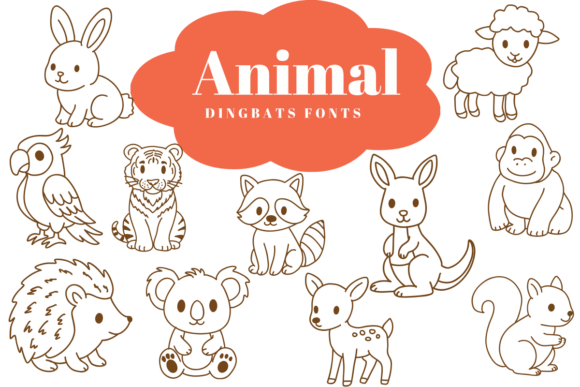
You've seen dingbats fonts before—the predictable collections of stars, arrows, and geometric shapes. Animal operates on a different frequency. It’s a dingbats typeface where every character is an illustration, rendered with the loose, imperfect charm of a pencil sketch. This isn't a sterile symbol set; it's a toolbox of whimsical, hand-drawn creatures and objects that carry a distinct personality. Each glyph feels like a quick doodle from a designer's notebook, full of energy and organic lines. That sketch-style aesthetic is its superpower, offering an immediate sense of warmth and authenticity that polished vector icons often lack.
For anyone working on a project that needs to feel personal, handmade, or spirited, Animal provides a visual language that connects on an emotional level. It’s less about technical precision and more about conveying a mood—one of creativity, playfulness, and a touch of rustic charm. Understanding this core personality is the first step to using it effectively.
Where Animal Truly Shines: Practical Applications
The value of a creative font like Animal is measured by its utility. Its hand-drawn nature makes it exceptionally versatile for projects where a human touch is paramount.
Wedding Invitations & Stationery: Animal is a natural fit here. Use its illustrated symbols as decorative accents, section dividers, or as part of a monogram. A delicate floral motif from the font can replace a standard bullet point in an invitation suite, instantly elevating the design with a bespoke, romantic feel. It pairs beautifully with elegant script fonts or clean sans serif fonts, balancing whimsy with sophistication.
DIY, Crafts, and Decorations: This is Animal's native habitat. Think custom gift tags, party banners, scrapbook elements, or stencil patterns for home décor projects. The sketch style translates perfectly to physical crafts, whether you're printing on textured cardstock or using a cutting machine. It gives a cohesive, artisan look to handmade goods that mass-produced graphics cannot replicate.
Logo and Brand Identity for Niche Businesses: For a boutique bakery, a children's bookstore, a pet grooming salon, or a handmade soap company, Animal can be a cornerstone of a brand identity. Using a specific character from the font as a logo mark or as recurring brand element across packaging design, business cards, and social media graphics builds immediate recognition. It tells customers, "We value craftsmanship and personality." This is a strategic use of a premium font to shape brand perception.
Editorial and Publishing Design: In magazines, blogs, or books, Animal's symbols can serve as engaging drop caps, ornamental breaks, or chapter icons. They inject visual interest and break up long blocks of text, improving the reader's experience. For a food blog, a small sketched vegetable icon could denote a recipe category, enhancing visual hierarchy and navigation in a subtle, charming way.
Making It Work: Guidance for Effective Use
Adopting any distinctive typeface requires a thoughtful approach. Animal is no exception. Its strength—its strong, illustrative style—also demands careful consideration.
Evaluate Project Fit First: Before you dive in, ask if the project's tone aligns with Animal's personality. It's perfect for a rustic-themed wedding or a playful children's brand. It might be less suitable for a corporate law firm's annual report or a fintech app's user interface, where clarity and neutrality are paramount. The font should amplify your message, not distract from it.
Mastering Font Pairing: Animal is a display font, meant for headlines, accents, and decorative elements. It is not intended for body copy. The key to successful pairing is contrast. Combine it with a highly legible serif font for a classic, editorial feel, or with a modern sans serif font for a clean, contemporary look. For example, a wedding invitation might use Animal for decorative swashes alongside a beautiful script font for the names and a simple sans serif for the details. Let each typeface play its role.
Readability and Hierarchy: Because the characters are illustrations, their "readability" is about symbolic recognition, not word formation. Use them at sizes where the details of the sketch are clear. Overusing them can create visual clutter. Use them strategically as punctuation to your design, not as the entire paragraph. Establish a clear visual hierarchy where the illustrated elements support the primary typographic message.
Review What's Included: A quality creative font like Animal often comes with more than just the basic alphabet. Take time to explore the full glyph set. You might find alternate characters, additional illustrations, or stylistic sets that offer even more creative options. Understanding the full toolkit prevents you from leaving value on the table.
Commercial Licensing is Key: For any professional or commercial project—from selling handmade crafts on Etsy to using the symbols in a client's logo design—ensure you have the correct commercial license. This is a non-negotiable step. A legitimate premium font purchase includes clear licensing terms, protecting both you and the font creator. It's a small investment that upholds professionalism and legal integrity.
In the end, Animal is more than a dingbats font; it's a design asset that bridges the gap between digital convenience and the irreplaceable allure of the hand-drawn line. It offers a direct way to infuse projects with character, warmth, and a story. Used with intention, it can transform standard communications into memorable, engaging experiences that resonate with your audience on a genuinely human level.